HD Hyundai Electric Just Hit a 27.6% Operating Margin — Here’s Why That’s Extraordinary

In 2021, HD Hyundai Electric’s operating profit was ₩9.7 billion ($6.6 million). In 2025, it was ₩995.3 billion ($682 million). That’s a remarkable 100x increase in four years. The Q4 2025 operating margin hit 27.6% — a record. The stock has risen from ₩26,000 to over ₩1,100,000, a 42x return since its 2020 lows.
A transformer manufacturer delivering margins that would make a SaaS company jealous — that’s the story of HD Hyundai Electric. Three years ago, most global investors would have dismissed power equipment as a commodity business. Then AI changed the equation. Running a single ChatGPT query consumes roughly 10x more electricity than a Google search. Data centers are proliferating worldwide, and every one of them needs transformers to receive and manage power. Suddenly, the most boring piece of electrical infrastructure became one of the world’s most sought-after products. On the compute side of that same AI buildout, SK Hynix supplies the HBM memory that keeps those accelerators running.
For investors who followed our analysis of Hyosung Heavy Industries, HD Hyundai Electric occupies the same sector but with a meaningfully different business structure. Both make transformers, both have overflowing order backlogs, both have seen their stocks surge. But they differ in market focus, product mix, and margin profile — differences that matter for portfolio construction.
If AI feeds on electricity, HD Hyundai Electric builds the arteries that deliver it. Demand is structural, supply is constrained, and this company sits at the intersection.
✔ How HD Hyundai Electric grew operating profit 100x in four years — and hit a 27.6% margin
✔ The three revenue pillars: power equipment, switchgear, and energy storage
✔ Why the global transformer shortage is structural, not cyclical
✔ Head-to-head comparison with Hyosung Heavy Industries — and three investment catalysts
✔ An honest take on valuation and the risks ahead
HD Hyundai Electric Financials — What the Numbers Tell Us
| Metric | 2021 | 2022 | 2023 | 2024 | 2025 |
|---|---|---|---|---|---|
| Revenue | $1.2B | $1.4B | $1.8B | $2.3B | $2.8B |
| Operating Income | $7M | $91M | $216M | $458M | $682M |
| Operating Margin | 0.5% | 6.3% | 11.7% | 20.1% | 24.4% |
| Annual Orders | — | — | — | $3.82B | $4.27B |
| Order Backlog | $1.6B | — | — | $5.54B | $6.73B |
| Q4 Operating Margin | — | — | — | 20.4% | 27.6% |
Source: HD Hyundai Electric filings | USD conversions approximate at ₩1,460/$ | FY2025 consolidated
The standout number: Q4 operating margin of 27.6%
The full-year 24.4% margin is impressive, but Q4’s 27.6% is what should make global investors sit up. Q4 operating profit of ₩321B ($220M) represented a 93% YoY increase and set a quarterly record. For a company making industrial electrical equipment — not software, not semiconductors — this margin profile is extraordinary.
The explanation is simple: a seller’s market. Globally, fewer than five companies can manufacture ultra-high-voltage (765kV+) power transformers: ABB (Hitachi Energy), Siemens Energy, Hyosung Heavy Industries, and HD Hyundai Electric. With AI data center buildouts driving transformer demand beyond available supply, lead times have stretched from 6–12 months to 24–36 months. When demand massively exceeds supply, pricing power shifts to the manufacturer.
HD Hyundai Electric has leveraged this dynamic through a deliberate “selective ordering” strategy. Rather than maximizing volume, the company prioritizes high-margin projects — primarily in North America and the Middle East — while declining lower-margin work. It uses a “Slot Reservation” system where customers pre-book production capacity and pay premium prices for guaranteed delivery timelines. The 2026 order target ($4.22B) is roughly flat versus 2025 ($4.27B), signaling that the company is optimizing for margin, not topline growth.
Can these numbers sustain?
The $6.73B order backlog represents approximately 2.4x annual revenue — over three years of secured work. The backlog quadrupled from ₩2.4T in 2021 to ₩9.9T in 2025. The company has also transitioned to a net cash position as of late 2024, with net debt swinging from ₩542B positive to negative ₩617B (i.e., more cash than debt). Retained earnings grew 4x from ₩172B (end-2022) to ₩733B (Q3 2025). This is a company generating cash faster than it can deploy it — and it just initiated quarterly dividends for the first time since its 2017 spinoff. All 19 covering analysts maintain Buy ratings, with an average target of ₩1.04M (~$712) and a high target of ₩1.2M (~$822).
The financial trajectory is clear. But for investors who only know the name from a stock screener, the next question is: what exactly does this company make?
How HD Hyundai Electric Makes Money — Business Model Breakdown
HD Hyundai Electric was spun off from Hyundai Heavy Industries (now HD Hyundai Heavy Industries) in 2017 as a standalone power equipment company. Think of it as the Korean equivalent of a pure-play Hitachi Energy or Siemens Energy transformer division — without the conglomerate complexity. The business covers the entire electricity delivery chain from generation to consumption, organized across three pillars.
Pillar 1 — Power Equipment (~60% of Revenue)
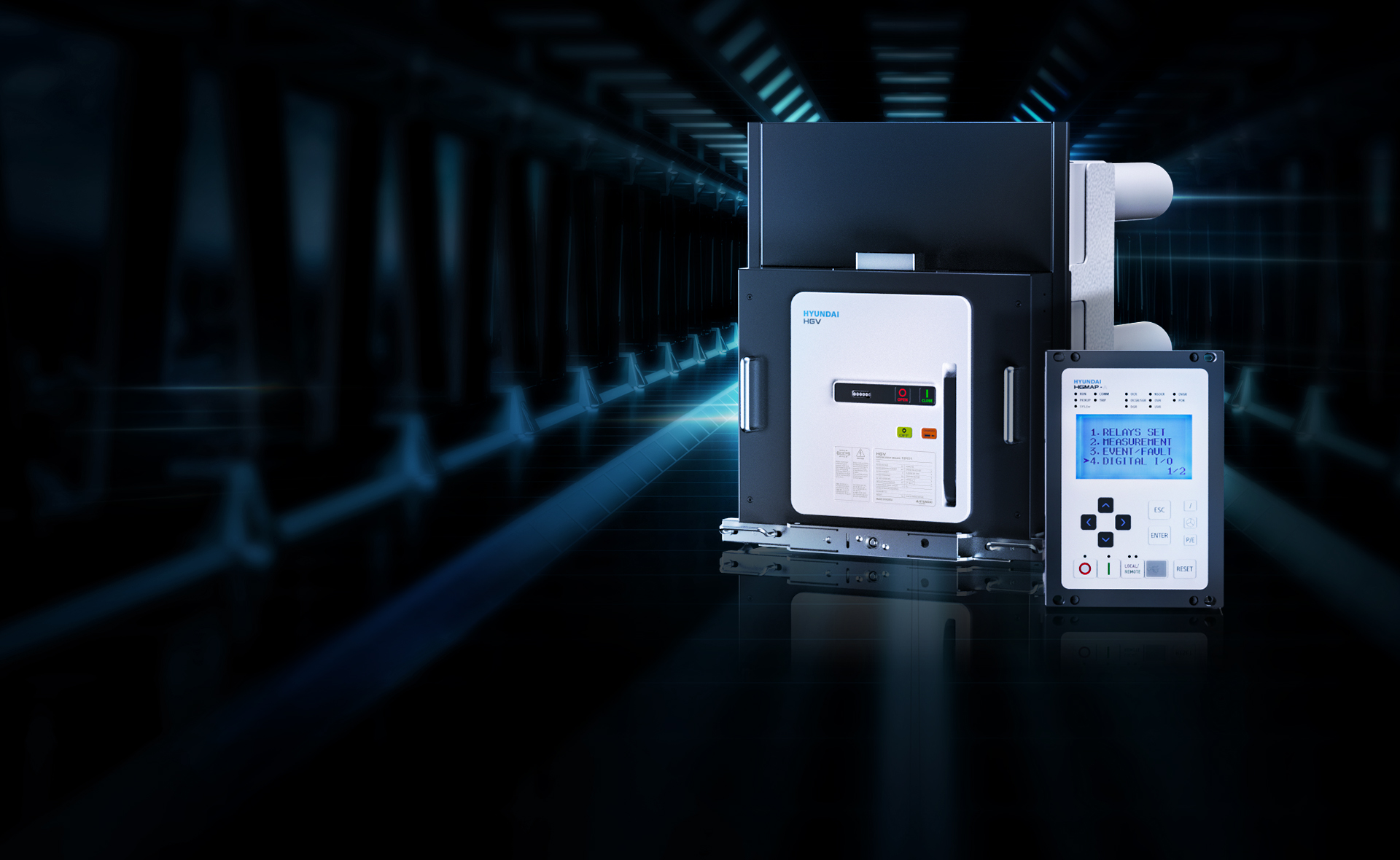
Ultra-high-voltage transformers (up to 765kV), gas-insulated switchgear (GIS), and protective relays form the core. The 765kV transformer is the crown jewel — each unit is priced at $7M+ and requires engineering expertise that only a handful of global manufacturers possess. In 2025, power equipment revenue grew 29.7% YoY, driven overwhelmingly by North American demand.
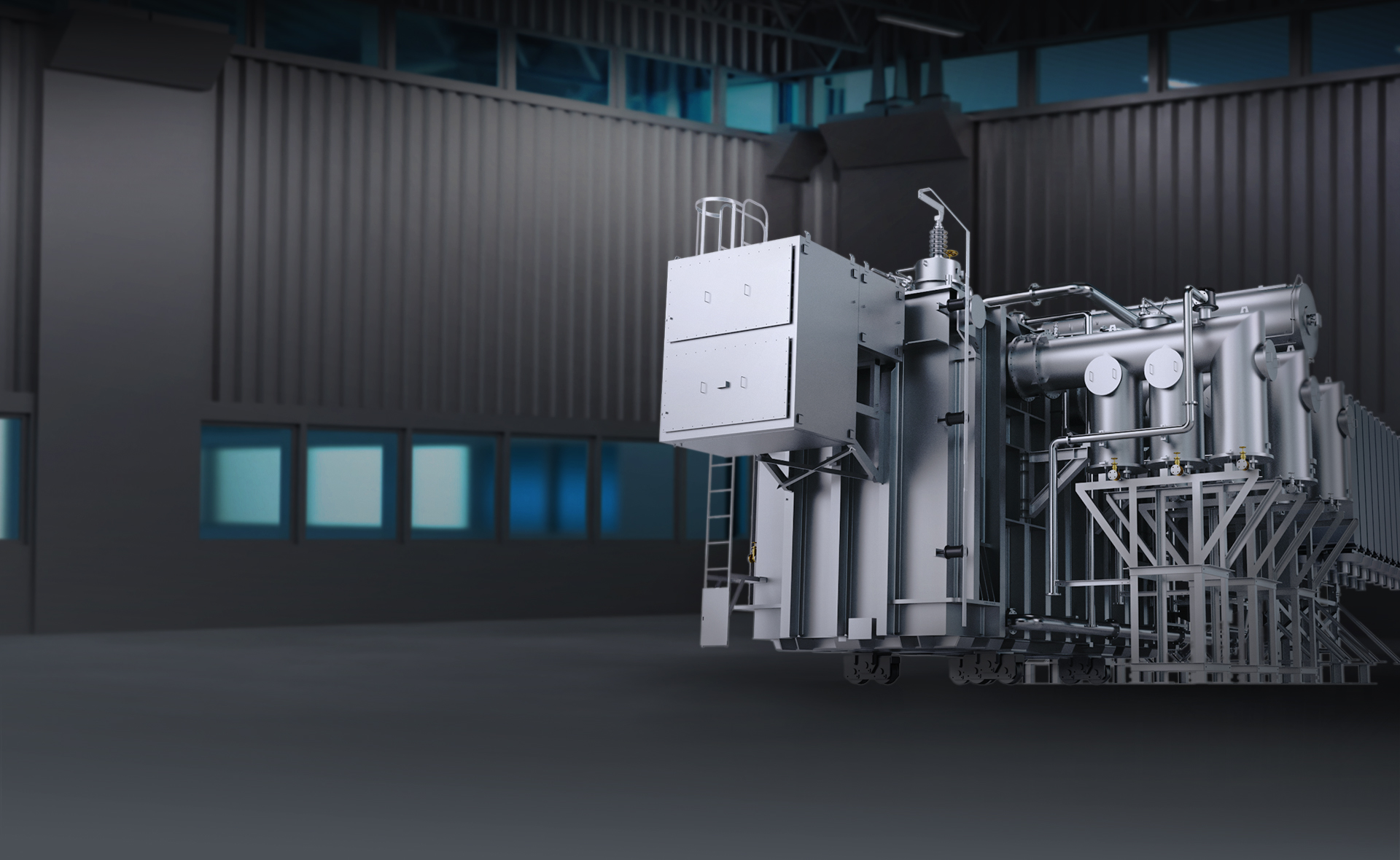
Manufacturing a 765kV transformer is a genuinely complex industrial process. Thousands of tons of silicon steel core must be wrapped with kilometers of precision-wound copper coils, filled with insulating oil, and subjected to extreme dielectric tests at voltages that would vaporize ordinary equipment. The finished product weighs 200–300 tons and requires specialized transport planning (road width, bridge load capacity, rail gauge). These technical and logistical barriers create a formidable moat against new entrants.
The competitive edge is twofold. First, HD Hyundai Electric operates a U.S. manufacturing facility in Montgomery, Alabama, with a second factory under construction. This positions the company to comply with Buy American requirements — critical for U.S. utility contracts. Second, the company has decades of established relationships with North American utilities, the world’s largest transformer market (~30% of global demand).
Capacity expansion is underway: ₩212B ($145M) invested in the Ulsan headquarters and ₩185B ($127M) in the Alabama expansion, targeting completion by end-2026, initial production in 2027, and full ramp by 2028. When complete, the expansions should add approximately $205M in annual revenue (₩200B from Ulsan, ₩100B from Alabama).
Pillar 2 — Switchgear & Distribution (~20% of Revenue)
Medium- and low-voltage switchgear, distribution panels, and protective devices. These are the products that take electricity after it has been stepped down from ultra-high voltage and distribute it to factories, buildings, and homes. Unit prices are lower than power transformers, but demand is steady and replacement cycles are predictable — providing a stable revenue floor regardless of macro conditions.
The company is investing ₩79B ($54M) in a new switchgear factory (2025–2026), anticipating that infrastructure expansion globally will drive distribution equipment demand alongside the more headline-grabbing transformer business.
Pillar 3 — Rotating Equipment & ESS (~20% of Revenue)
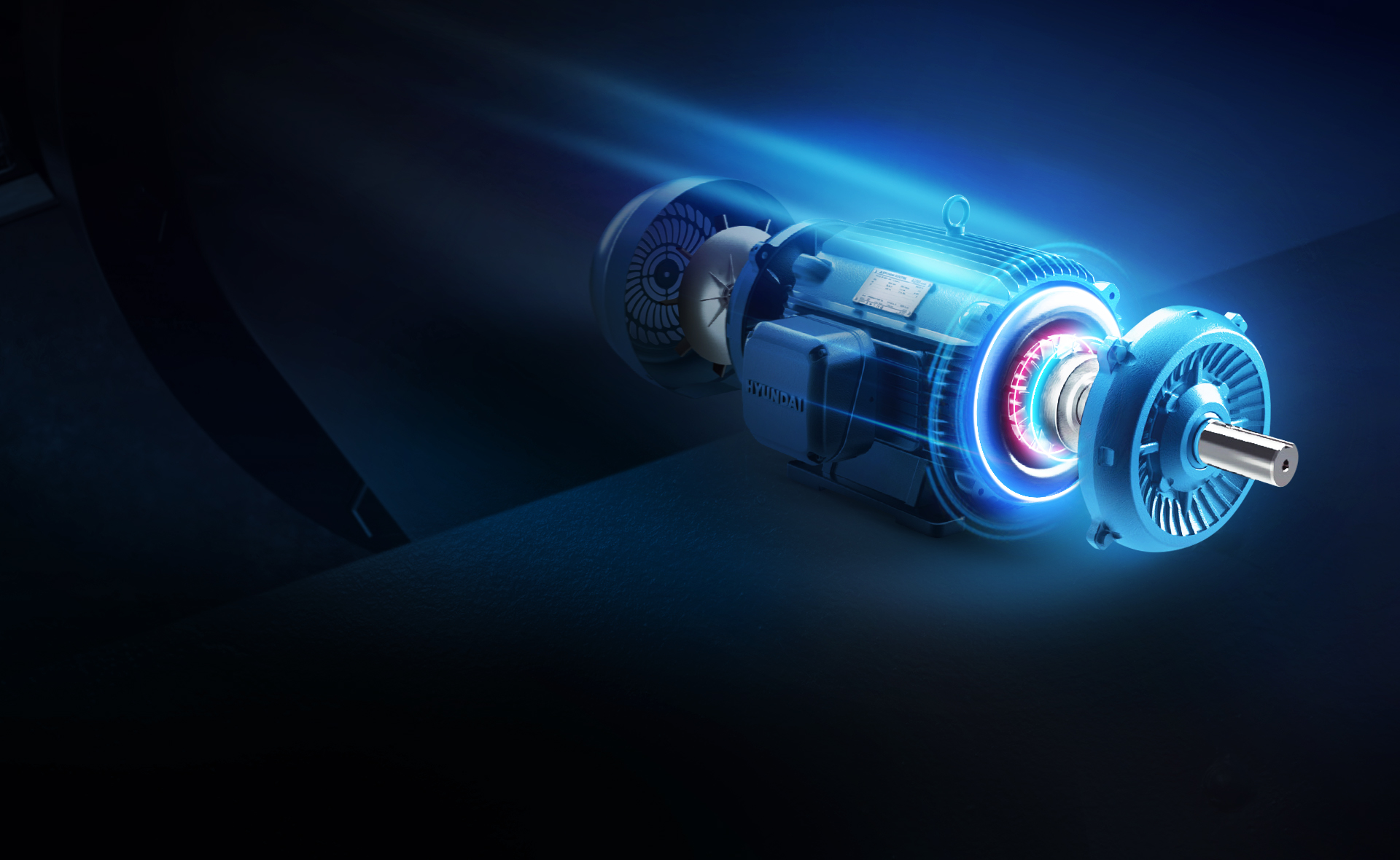
High-voltage motors, generators, and battery energy storage systems (BESS). The rotating machinery business serves petrochemical, shipbuilding, and power generation customers — mature demand with stable margins. More interesting is the ESS push: HD Hyundai Electric secured a 200MWh BESS project in Texas and established a local entity to penetrate the U.S. utility-scale storage market.
As renewable energy penetration increases, grid-scale storage becomes essential to manage intermittency. Solar and wind output fluctuates with weather, requiring storage systems that can absorb excess generation and discharge during peak demand. A company that already manufactures the transformers and switchgear connecting renewable generation to the grid is naturally positioned to add storage to the package — offering utilities a one-stop solution for the clean energy transition. ESS is early-stage revenue today, but it represents the logical “second act” for a power equipment manufacturer in the energy transition era. Korea’s 11th Basic Plan for Electricity Supply and Demand also includes significant ESS expansion targets, providing domestic demand support alongside the international opportunity.
The “what if it didn’t exist” test
Upgrading America’s aging power grid requires ultra-high-voltage transformers. Powering AI data centers requires transformers. Building Middle Eastern renewable energy mega-projects requires transformers. The number of companies on earth that can fulfill these orders is fewer than five. HD Hyundai Electric is one of them. The irreplaceability is absolute.
I covered the broader power value chain in LS Group: From Cables to Transformers. HD Hyundai Electric occupies the transformer/substation segment — the critical bottleneck in the chain from generation to consumption.
With the business model clear, the next question is: what makes this particular moment in the power equipment cycle so exceptional?
Why Power Equipment Now — The Bigger Picture
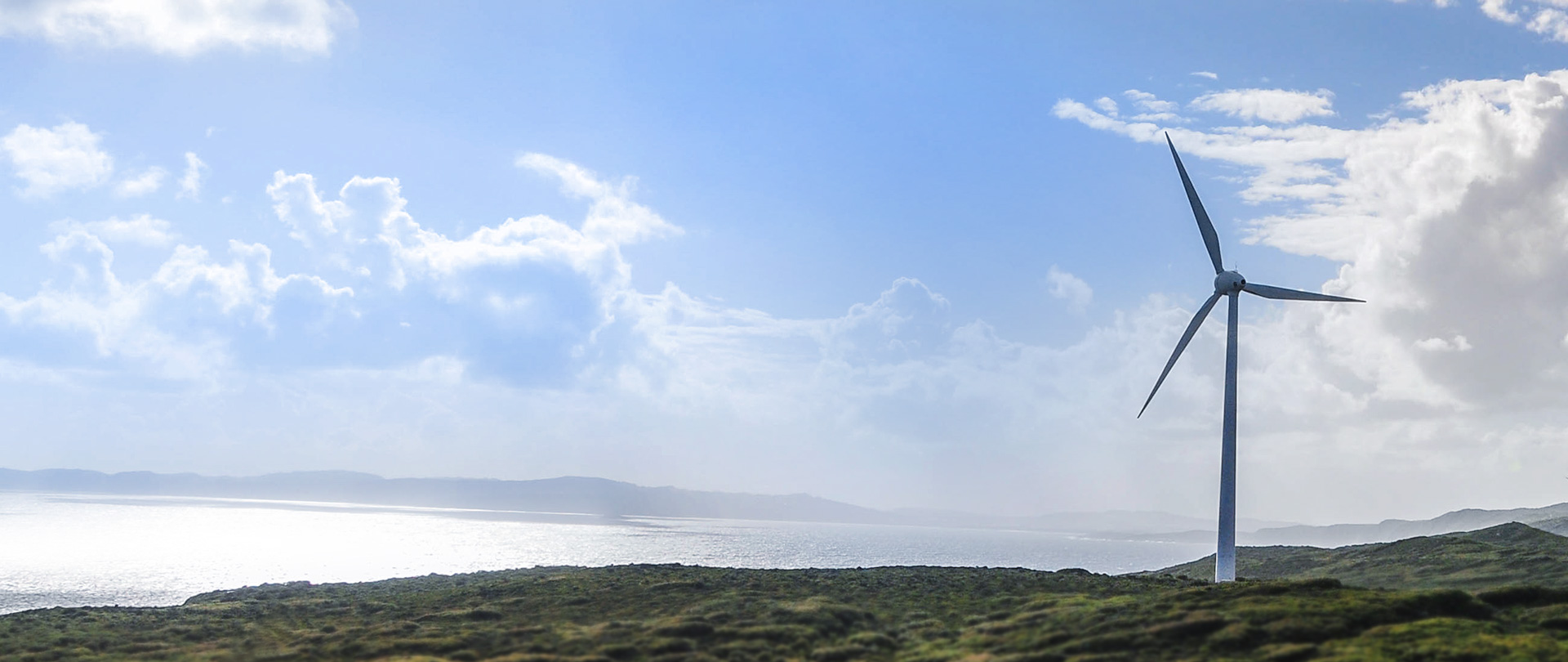
The global transformer market was approximately $80B in 2024 and is projected to grow at 7–8% CAGR through 2030 — potentially higher if AI-driven demand exceeds current forecasts. The IEA estimates global data center electricity consumption will more than double from 460 TWh (2022) to over 1,000 TWh by 2026, requiring massive transmission and substation infrastructure expansion.
Regulatory and policy tailwinds
The United States is the primary market. According to the U.S. Department of Energy, approximately 70% of large power transformers in the country are over 25 years old. This aging infrastructure creates replacement demand independent of any new growth driver. The DOE estimates that grid modernization will require hundreds of billions of dollars in investment through 2035 — a decade-long structural spending cycle, not a one-time stimulus. Add AI data center construction, IRA (Inflation Reduction Act)-driven renewable energy investment, and EV charging infrastructure buildout, and the demand picture becomes overwhelming. Microsoft, Amazon, Google, and Meta are collectively investing over $100B annually in data centers, with a significant portion flowing into power infrastructure. Goldman Sachs estimates approximately 60% of AI data center power will come from natural gas — but regardless of the energy source, the electricity must pass through transformers to reach the servers.
Europe is the emerging growth engine. HD Hyundai Electric’s European revenue surged 38.3% in 2025, now exceeding 10% of total sales. Germany’s Energiewende, France’s nuclear expansion, Nordic offshore wind interconnections, and EU-wide grid modernization all generate transformer demand. The Middle East — Saudi Arabia’s NEOM project, UAE clean energy targets — represents another high-growth, high-margin region.
Five years ago vs. today — the supply bottleneck is the key
Five years ago, transformer lead times were 6–12 months. Today, they are 24–36 months. Demand has exploded while supply remains constrained. Building a new transformer factory takes 2–3 years; training skilled technicians takes even longer. This supply bottleneck has shifted pricing power to manufacturers — the fundamental reason HD Hyundai Electric’s margins have expanded from 0.5% to 27.6% in just four years. Until new capacity comes online (earliest 2028 for most players), the seller’s market persists.
In the power value chain, Doosan Enerbility handles generation, LS Group handles cables and transmission, and HD Hyundai Electric handles the transformer/substation segment. The AI-driven power demand surge is lifting the entire chain — but the transformer bottleneck is where the pricing power is most acute. For the seaborne energy and industrial logistics side of that same capex cycle, see our HD Korea Shipbuilding deep dive.
3 Reasons to Watch HD Hyundai Electric
Catalyst 1 — $6.7B Backlog Provides 3+ Years of Revenue Visibility
HD Hyundai Electric’s order backlog of $6.73B represents approximately 2.4x annual revenue — more than three years of secured work at current run rates.
The backlog quadrupled in four years (from ₩2.4T in 2021 to ₩9.9T in 2025). Annual new orders of $4.27B exceeded the $3.82B target by 11.8%. Notably, North America accounts for 40%+ of orders — the highest-margin geography. European order growth and Middle Eastern project wins are diversifying the backlog, reducing single-region concentration risk.
Two catalysts amplify this: first, the Ulsan and Alabama capacity expansions will add ~$205M in annual revenue when fully operational in 2028. Second, as the product mix shifts toward higher-value 765kV transformers, revenue per unit increases and margins expand further. These two forces — volume expansion plus mix improvement — could drive another earnings step-change in 2028–2029.
Catalyst 2 — “Selective Ordering” Strategy Creates Structural High Margins
Operating margin expanded from 0.5% (2021) to 24.4% (2025 full-year) and 27.6% (Q4 2025). This is not a one-time windfall — it’s a structural business model transformation.
The mechanism: in a market where fewer than five manufacturers can fulfill ultra-high-voltage transformer orders, and those orders are backlogged 2–3 years, HD Hyundai Electric can choose which projects to accept. The company’s “Slot Reservation” system gives priority to customers willing to pay premium prices for guaranteed delivery windows — analogous to semiconductor foundry allocation models. High-margin North American and Middle Eastern contracts are prioritized; lower-margin domestic Korean work is deprioritized.
This margin profile should persist for at least 2–3 years. The supply bottleneck cannot be resolved quickly — new factory construction takes 2–3 years, and skilled transformer technicians require years of training. Consensus estimates project 24–26% operating margins through 2026. Even as competitors eventually add capacity (2028+), HD Hyundai Electric’s established customer relationships, U.S. manufacturing presence, and 765kV technical capability should help sustain margins above historical averages.
Catalyst 3 — Pure-Play Power Equipment vs. Hyosung Heavy Industries
For investors choosing between Korea’s two premier power equipment stocks, the structural differences matter.
| Comparison | HD Hyundai Electric | Hyosung Heavy Industries |
|---|---|---|
| 2025 Revenue | $2.8B | ~$2.4B (est.) |
| Primary Markets | N. America (largest), Middle East, Europe | Middle East, Asia, N. America |
| U.S. Factory | ✅ Alabama (expanding) | ✅ Memphis, Tennessee |
| Business Purity | Pure-play power equipment | Power equipment + construction |
| ESS Exposure | Active (Texas 200MWh) | Limited |
HD Hyundai Electric is the purer play on the global transformer upcycle. Nearly 100% of revenue comes from power equipment, switchgear, and rotating machinery — meaning every dollar of transformer market growth flows directly to the income statement without dilution from construction or other segments. Hyosung Heavy Industries, by contrast, carries a significant construction business that dampens the leverage to pure power equipment tailwinds but provides a floor during downturns.
For investors seeking maximum exposure to the AI power infrastructure theme with the highest “signal-to-noise ratio,” HD Hyundai Electric is the more direct bet. For a more balanced approach with construction providing downside support, Hyosung is the alternative. Both are complementary rather than mutually exclusive in a portfolio.
With the bull case established, let’s examine what could go wrong.
The Bear Case — Risks You Need to Know
No investment thesis is complete without examining the bear case. Power equipment stocks carry risks that are easy to overlook when margins are at all-time highs.
| ✅ Bull Factors | ⚠️ Bear Factors |
|---|---|
| $6.7B backlog = 3+ years visibility | AI data center capex slowdown could reduce orders |
| 24–27% OPM, structural seller’s market | Competitor capacity additions by 2028 may erode pricing power |
| 5 consecutive years of revenue + profit growth | Trailing P/E ~40x, significant premium priced in |
| North America = highest-margin market | U.S. tariff risk on Korean-manufactured imports |
| Net cash position, strong balance sheet | Capacity expansion not fully online until 2028 |
| 765kV technical capability (rare globally) | Chinese manufacturers (TBEA) may undercut on price |
| ESS business entering Texas market | ESS still early-stage, negligible profit contribution |
| All 19 analysts rate Buy | KRW appreciation would compress export margins |
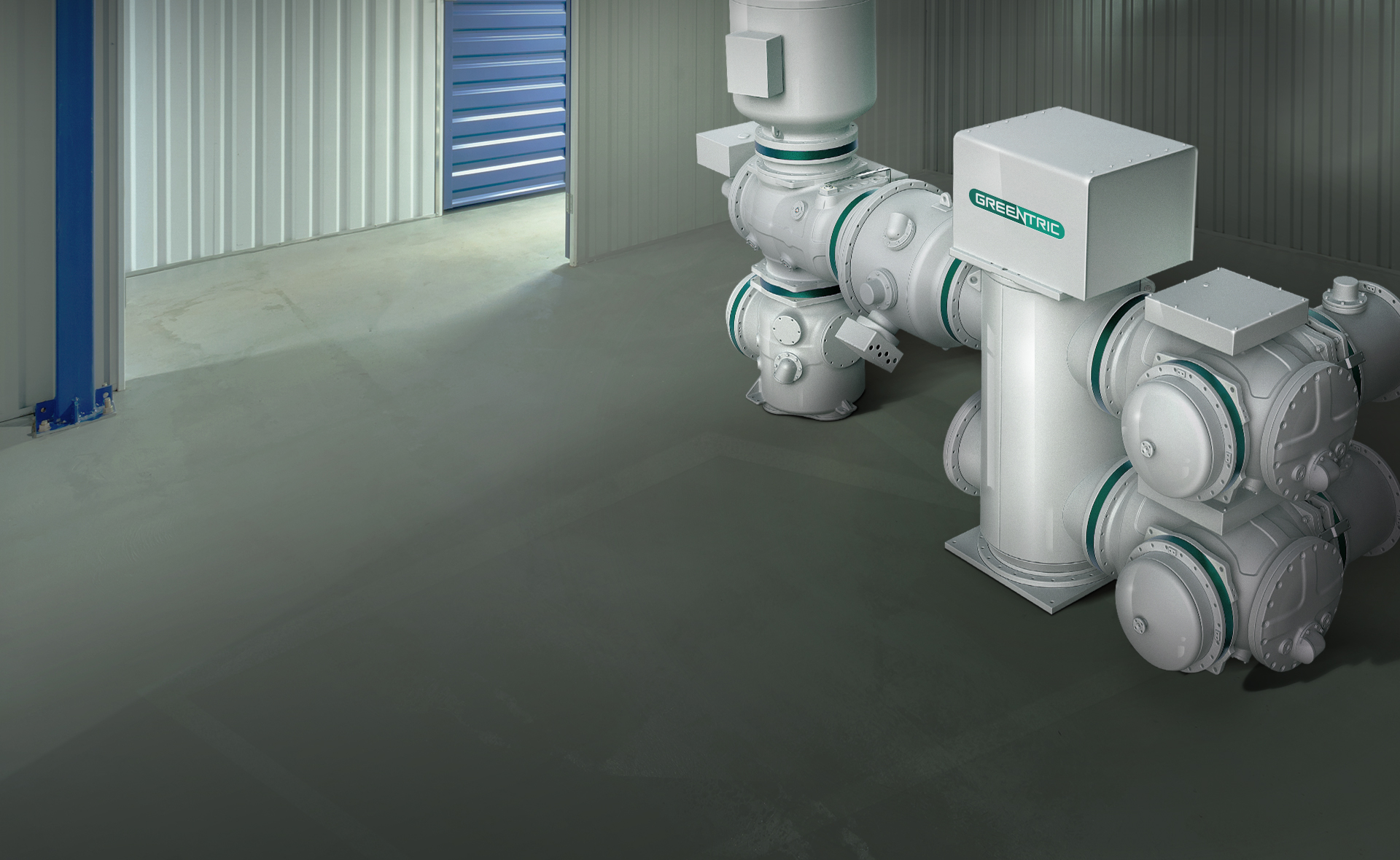
| GreenTrik eco-friendly product line expansion | Switchgear and rotating machinery growth lagging transformers |
Risk 1 — AI Capex Cycle and the Margin Normalization Question
HD Hyundai Electric’s margin expansion is directly tied to the global transformer supply shortage, which is in turn driven heavily by AI data center buildouts. If big tech AI investment decelerates faster than expected, transformer order flow could soften. While “AI bubble” arguments are circulating, IEA and major research institutions consistently project data center power demand growth through 2030. Critically, AI is an accelerant, not the sole driver — aging grid replacement, renewable energy interconnection, and EV infrastructure would sustain transformer demand even if AI investment plateaued.
The more realistic risk is margin normalization around 2028–2029, when competitor capacity expansions come online. If supply catches up with demand, pricing power diminishes and the “Slot Reservation” premium erodes. Operating margins could normalize from 27% back to 15–18% — still healthy by industrial standards, but the earnings growth rate would decelerate, potentially triggering both earnings downgrades and multiple compression simultaneously.
Risk 2 — Valuation and U.S. Trade Policy
At a trailing P/E of ~40x, HD Hyundai Electric is priced for continued exceptional growth. Forward P/E on 2026 consensus drops to ~25–28x, roughly in line with global power equipment peers — but this assumes consensus is met. The 2025 Q2 earnings miss (when the stock briefly sold off) demonstrated that even a modest shortfall can trigger sharp corrections in a premium-valuation stock.
U.S. tariff risk is tangible. Korean-manufactured transformers exported to the U.S. could face additional duties under Trump administration trade policies. HD Hyundai Electric has already absorbed ₩10–20B ($7–14M) in tariff-related costs in H2 2025. The Alabama factory provides a structural hedge, but full local production doesn’t begin until 2028. Until then, the company remains partially exposed.
Despite these risks
The directional signals remain unambiguously positive: backlog growing, margins expanding, balance sheet strengthening, and capacity being added. The supply bottleneck is structural, not something that resolves in a quarter or two. The realistic debate is not about whether the business is strong — it’s about at what price the risk/reward becomes unfavorable. Forward P/E of ~25x on 2026 estimates is defensible; trailing P/E of 40x requires continued execution.
My Take — Here’s How I See HD Hyundai Electric
HD Hyundai Electric presents one of the cleanest “picks and shovels” plays on the AI infrastructure buildout available in global equity markets. If Nvidia makes the chips that power AI, HD Hyundai Electric makes the equipment that powers the data centers housing those chips. The margin trajectory — from 0.5% to 27.6% in four years — is one of the most dramatic industrial transformations I’ve tracked. What makes it particularly compelling is the combination of structural demand (AI + grid aging + renewables), constrained supply (fewer than 5 global manufacturers), and demonstrated pricing power (selective ordering strategy). This trifecta rarely comes together in industrial investing.
The real AI infrastructure stock might not be a chip company — it might be the transformer manufacturer whose order book is full for three years and whose factory can’t build fast enough to meet demand.
Bull scenario
If margins hold at 24%+ through 2027 and the Ulsan/Alabama expansions deliver on schedule, 2028 revenue could exceed ₩5T ($3.4B) with operating income above ₩1.3T ($890M). On 2028 earnings, the current stock price implies a P/E of 15–18x — actually cheap. The ESS business becoming a meaningful contributor would add a “power equipment + storage” re-rating catalyst.
Bear scenario
If AI capex peaks in 2027, competitor capacity arrives by 2028, and margins normalize to 15%, the stock could face a significant de-rating from current levels. A P/E compression from 40x to 20x on lower earnings would mean substantial downside. U.S. tariffs adding $15–30M annually in costs between now and 2028 would incrementally pressure margins.
For position sizing, staged entry on pullbacks is advisable. The ₩800K ($548) level — roughly 15% below current prices — would offer a meaningfully better risk/reward setup. Combining HD Hyundai Electric with Hyosung Heavy Industries in a “power equipment basket” is a valid approach for investors who want sector exposure while managing single-stock risk.
HD Hyundai Electric FAQ
Q. What is HD Hyundai Electric’s relationship to HD Hyundai Heavy Industries?
HD Hyundai Electric was spun off from Hyundai Heavy Industries’ electrical division in 2017 as an independent listed company. It is part of the HD Hyundai Group but operates autonomously. HD Hyundai Heavy Industries focuses on shipbuilding; HD Hyundai Electric focuses exclusively on power equipment, switchgear, and energy storage.
Q. Is transformer demand only driven by AI?
No. AI data centers are the most powerful demand accelerant, but not the only one. Aging U.S. grid infrastructure (70% of large transformers are 25+ years old), renewable energy interconnection, EV charging infrastructure, and Middle Eastern/Asian infrastructure investment all drive demand independently. Even if AI investment plateaued, remaining demand drivers would sustain the transformer upcycle — though growth rates would moderate.
Q. Can global investors buy HD Hyundai Electric stock?
HD Hyundai Electric trades on the Korea Exchange (KOSPI) under ticker 267260. It is accessible through international brokerages offering Korean stock trading. No ADR listing currently exists. The stock is KRW-denominated, so foreign investors carry both equity risk and USD/KRW currency risk. The current USD/KRW rate of ~1,460–1,510 is favorable for Korean exporters.
Q. How does HD Hyundai Electric compare to ABB / Hitachi Energy and Siemens Energy?
ABB (through Hitachi Energy) and Siemens Energy are the closest global peers — both manufacture high-voltage transformers and grid equipment. However, both are parts of much larger conglomerates, making it difficult to get pure transformer exposure. HD Hyundai Electric, as a standalone listed entity focused almost entirely on power equipment, offers cleaner exposure to the transformer upcycle. Its margins (24–27%) currently exceed those of the transformer divisions at ABB and Siemens, likely due to its selective ordering strategy and favorable North American mix.
The Bottom Line — 3 Things to Remember
One. HD Hyundai Electric has delivered five consecutive years of revenue and operating profit growth, culminating in $2.8B revenue, $682M operating income, and a record 27.6% Q4 margin in 2025. This performance is built on a structural foundation — global transformer supply cannot meet demand, giving manufacturers pricing power that should persist for at least 2–3 more years. Operating profit grew 100x in four years. That is not a cycle; it is a regime change.
Two. The $6.7B order backlog and “selective ordering” strategy are the company’s most powerful assets. By choosing margin over volume, HD Hyundai Electric has turned a commodity business into a premium franchise. The Ulsan and Alabama expansions add $205M in annual revenue by 2028, and the shift toward 765kV ultra-high-voltage products structurally improves the revenue mix. The transition to net cash and initiation of quarterly dividends confirm the financial health.
Three. The risk is valuation and cycle timing. Trailing P/E of ~40x demands continued execution. The critical question is whether margins can hold above 20% as competitor capacity comes online in 2028–2029. Forward P/E of ~25x on consensus estimates is defensible against global peers, but any earnings miss could trigger a sharp correction. Staged entry on pullbacks, rather than chasing at current levels, offers a better risk/reward profile.
As long as AI feeds on electricity — and it does, voraciously — the companies that build the arteries of the power grid will not lack for customers. HD Hyundai Electric is the purest public market expression of that thesis available in Asia.
If you found this analysis useful, consider sharing it with fellow investors who follow power infrastructure and industrial themes.
Next up, I’ll be analyzing HD Korea Shipbuilding & Offshore Engineering — the shipbuilding behemoth riding the LNG carrier super-cycle. The final and critical piece of the energy value chain puzzle.
This article is based on data as of March 2026. Updated after quarterly earnings (April 2026 expected).
Disclaimer: This article reflects the author’s personal research and analysis for informational purposes only. It is not a recommendation to buy or sell any security. Investment decisions and their consequences are the reader’s responsibility. Always verify with the latest filings and consult a qualified financial advisor.